

Water damage can disrupt daily life faster than almost any other household emergency. A burst pipe, leaking appliance, or sudden storm runoff can leave homeowners feeling overwhelmed and unsure where to begin. Understanding how water damage repair manitou springs services work step-by-step helps reduce stress and allows you to respond quickly and effectively. When you know what to expect, the recovery process becomes far more manageable.
Homes in Manitou Springs face unique challenges due to elevation changes, seasonal weather patterns, and older construction. Professional water damage repair goes far beyond removing visible water. It is a carefully structured process designed to protect the structure, prevent mold growth, and restore a safe living environment.
How do water damage repair services in Manitou Springs work step-by-step?
Water damage repair services in Manitou Springs follow a proven process that addresses both immediate damage and hidden moisture. Each phase is designed to build on the previous one, ensuring nothing is overlooked.
Skipping steps or delaying action can lead to long-term structural problems and health concerns. Understanding each stage helps homeowners recognize why professional restoration is essential for complete recovery.
Step 1: Emergency response and initial contact
Water damage is a time-sensitive emergency. The first step is contacting a professional restoration team as soon as the damage occurs.
Fast response limits how far water spreads through floors, walls, and insulation. During this stage, many homeowners choose to contact our team to receive immediate guidance and begin the restoration process.
Step 2: On-site inspection and damage assessment
Once technicians arrive, they perform a detailed inspection of the property. This assessment identifies affected areas and determines how far moisture has traveled.
Professionals use moisture meters and thermal imaging to locate hidden water behind walls, under flooring, and inside structural components. The findings are used to create a customized restoration plan.
Step 3: Stopping the water source
Before cleanup can begin, the source of the water must be stopped. This prevents additional damage and ensures safe working conditions.
Sources may include broken pipes, appliance failures, roof leaks, or exterior flooding. In some cases, coordination with plumbers or utility providers is required before restoration continues.
Step 4: Emergency water extraction
Emergency water extraction is one of the most critical stages of restoration. Standing water spreads quickly and causes extensive damage if not removed promptly.
High-powered pumps and commercial vacuums are used to remove large volumes of water. These emergency water extraction steps significantly reduce drying time and help limit further damage to building materials.
Step 5: Removal of damaged materials
Not all materials can be saved after water exposure. Saturated drywall, insulation, carpeting, and padding may need to be removed.
Removing damaged materials allows technicians to access hidden moisture and prevents mold growth. This step also prepares the structure for effective drying and repairs.
Step 6: Structural drying and dehumidification
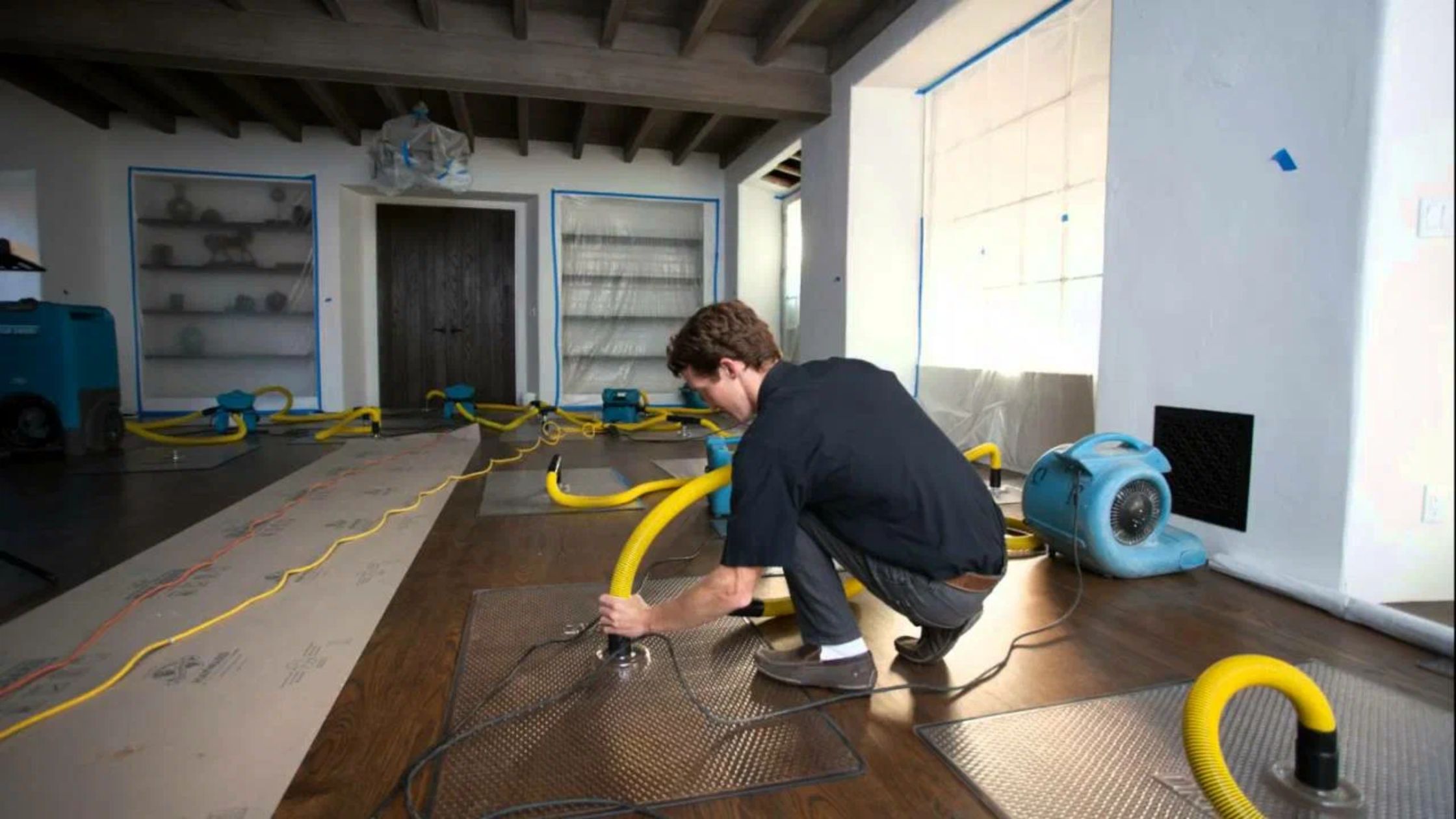
After water extraction, drying becomes the primary focus. Industrial air movers and dehumidifiers are placed strategically to remove moisture from the air and building materials.
This phase is a core part of the water damage restoration process Manitou Springs professionals follow. Thorough drying prevents warping, cracking, and microbial growth that can weaken the structure.
Step 7: Moisture monitoring and equipment adjustments
Drying is an ongoing process that requires monitoring. Moisture levels are checked daily to ensure progress is moving in the right direction.
If needed, equipment is repositioned or adjusted to target stubborn moisture pockets. This careful monitoring ensures complete drying throughout the home.
Step 8: Cleaning and sanitizing affected areas
Once the structure is dry, cleaning and sanitizing begin. Water damage often leaves behind contaminants, odors, and residue.
Professional-grade cleaning solutions are used to sanitize surfaces and improve indoor air quality. This stage prepares the home for safe occupancy and repairs.
Step 9: Mold prevention and remediation
Mold can begin forming within 24 to 48 hours of water exposure. Preventing mold growth is a priority throughout the repair process.
If mold is detected, specialized remediation procedures are implemented. These measures prevent spores from spreading and ensure a healthy living environment.
Step 10: Repairing and rebuilding damaged areas
After drying and cleaning, repairs begin. This stage restores the home to its pre-damage condition or better.
Repairs may include replacing drywall, reinstalling flooring, repairing cabinetry, and repainting. All work is completed according to local building codes and safety standards.
Step 11: Final inspection and quality check
Before the project is completed, a final inspection is conducted. This ensures all repairs are finished and no moisture remains.
Homeowners are given an overview of the completed work and can ask questions. This final step provides reassurance and confidence in the restoration.
How water damage repair differs in Manitou Springs homes
Homes in Manitou Springs often have unique layouts, hillside foundations, and older materials. These factors influence how water spreads and how long drying takes.
Local restoration professionals adjust techniques based on elevation, climate, and construction style to ensure effective results.
Understanding water damage categories
Water damage is categorized based on contamination levels. Clean water comes from sources like supply lines, while gray and black water carry higher health risks.
Each category requires specific safety measures and cleaning methods. Proper classification ensures the right approach is used throughout the home water cleanup stages.
The role of insurance in water damage repair
Insurance coverage can significantly impact the repair process. Many policies cover sudden water damage but exclude gradual leaks.
Restoration professionals assist with documentation and reporting to support insurance claims. Accurate records help streamline approvals and reduce delays.
Why professional equipment matters
Household fans and dehumidifiers are not sufficient for serious water damage. Professional equipment removes moisture more efficiently and thoroughly.
Industrial air movers, dehumidifiers, and moisture detection tools ensure no hidden water remains, reducing the risk of future issues.
Common mistakes homeowners make after water damage
Delaying professional help is one of the most common mistakes. Waiting allows water to penetrate deeper into materials.
Another mistake is assuming areas are dry when they are not. Hidden moisture can cause damage weeks or months later if not addressed properly.
How fast response reduces restoration costs
Quick action directly affects cost. Faster water removal means less material damage and fewer repairs.
Early intervention often shortens restoration timelines and minimizes disruption to daily life.
Preventing future water damage
After repairs are complete, prevention becomes the focus. Addressing the original cause reduces the likelihood of repeat incidents.
Regular plumbing maintenance, improved drainage, and leak detection devices all contribute to long-term protection.
Emotional recovery after water damage
Water damage can be emotionally draining. Displacement and uncertainty add stress to an already difficult situation.
Clear communication and step-by-step guidance help homeowners feel supported throughout the recovery process.
How long does water damage repair take?
Timelines vary depending on severity. Minor damage may take a few days, while extensive restoration can take several weeks.
Factors such as drying time, repair complexity, and insurance approvals influence the overall duration.
Choosing the right water damage repair company
Experience and local knowledge matter. Not all restoration providers follow the same standards.
A trusted local company understands Manitou Springs conditions and tailors solutions accordingly, leading to better outcomes.
Frequently Asked Questions
How quickly should water damage repair begin?
Repair should begin immediately to limit structural damage and mold growth.
Is water damage repair always covered by insurance?
Coverage depends on the cause of the damage and policy terms.
Can mold develop after drying?
Yes, if moisture is not fully removed, mold can develop later.
Do homeowners need to leave during repairs?
This depends on the severity of the damage and safety considerations.
How do professionals detect hidden moisture?
They use moisture meters and infrared imaging tools.
Conclusion
Water damage repair is a detailed, step-by-step process designed to restore safety, comfort, and structural integrity. From emergency response and water removal to drying, cleaning, and rebuilding, every phase plays a critical role in recovery. Understanding how water damage repair manitou springs services work empowers homeowners to act quickly and avoid costly mistakes.
With professional expertise and timely response, water damage can be effectively managed. Top Gun Premier proudly provides trusted water damage repair services in Manitou Springs, helping homeowners restore their properties and move forward with confidence and peace.