
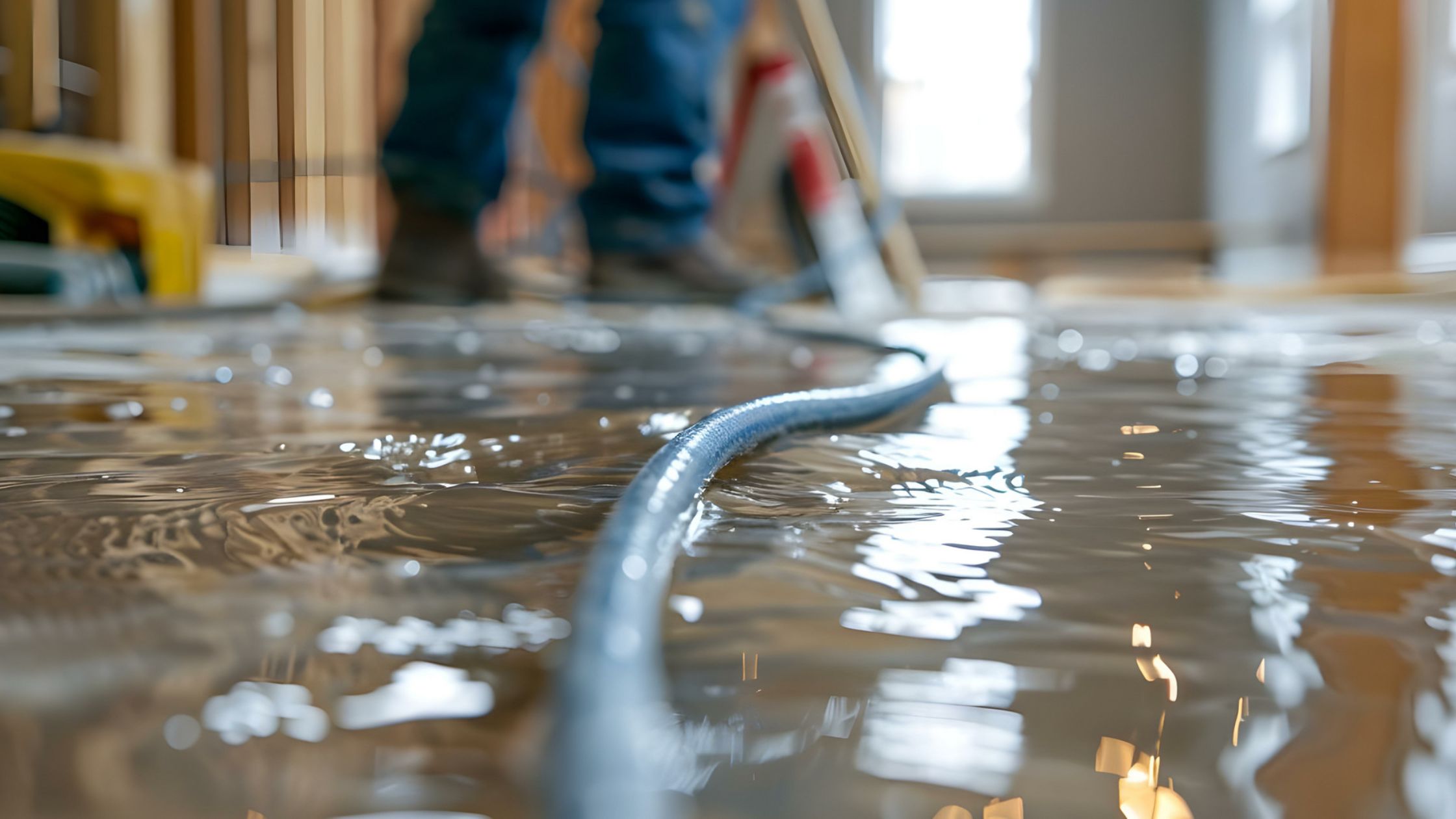

Water damage is one of the most frequent and costly problems homeowners face, especially in mountain communities like Manitou Springs. Sudden storms, freezing temperatures, and aging homes all contribute to moisture-related issues that can escalate quickly. Understanding water damage repair manitou springs concerns helps homeowners recognize early warning signs and respond before minor issues become major repairs.
Many people believe water damage only happens during floods, but the reality is much broader. Hidden plumbing leaks, roof failures, appliance malfunctions, and seasonal weather changes all play a role. This guide explains the most common causes of water damage in Manitou Springs homes and why early action and professional restoration are essential.
What are the most common causes of water damage in Manitou Springs homes?
Water damage in Manitou Springs homes usually results from a combination of environmental conditions and internal system failures. Heavy precipitation, snowmelt, burst pipes, and drainage problems are among the most frequent contributors.
Because water travels easily through walls, floors, and foundations, the visible damage often represents only a fraction of the problem. Understanding these causes helps homeowners take preventative steps and act quickly when issues arise.
Weather-related water damage in Manitou Springs
The climate in Manitou Springs creates several water damage risks throughout the year. Sudden changes in weather patterns can overwhelm homes that are not properly prepared.
Heavy rain and flash flooding
Intense rainstorms can overwhelm storm drains and natural runoff paths. Water can pool around foundations or seep into basements and crawl spaces. Homes located on slopes or near drainage channels face a higher risk, making these events a leading factor in Manitou Springs water damage.
Snowmelt and ice dams
Winter snowfall followed by temperature fluctuations can lead to ice dams on roofs. When snow melts and refreezes near roof edges, water becomes trapped and seeps beneath shingles. This moisture can enter attics and walls, damaging insulation, ceilings, and framing.
Plumbing failures inside the home
Plumbing-related problems are one of the most common sources of water damage and often occur without warning.
Burst pipes during freezing temperatures
Cold winter conditions increase the risk of frozen and burst pipes. As water freezes, it expands, placing pressure on pipes until they rupture. Burst pipe water issues can release large volumes of water in a short time, causing extensive damage before the water supply is shut off.
Leaking pipes and fixtures
Slow leaks under sinks, behind walls, or beneath floors may go unnoticed for months. Over time, this constant moisture weakens structural materials and creates an environment where mold can thrive.
Appliance-related water damage
Household appliances that rely on water connections are another frequent cause of damage. Washing machines, dishwashers, water heaters, and refrigerators with ice makers are common sources of leaks.
Aging hoses, loose fittings, and mechanical failures increase the likelihood of sudden leaks. Routine maintenance reduces risk, but appliance-related water damage can still occur unexpectedly.
Roof and gutter failures
A home’s roof and gutter system play a critical role in directing water away from the structure. When these systems fail, water intrusion becomes more likely.
Missing shingles, damaged flashing, or clogged gutters allow water to penetrate ceilings and walls. Over time, this moisture causes wood rot, mold growth, and insulation damage, leading to costly repairs.
Foundation and basement water intrusion
Foundations are designed to keep moisture out, but cracks and poor drainage can compromise their effectiveness. Water can seep through small openings during heavy rainfall or snowmelt.
Basements and crawl spaces are particularly vulnerable because moisture buildup often goes unnoticed. Persistent dampness in these areas can lead to structural weakening and mold growth.
Sewer backups and drainage problems
Sewer backups are one of the most damaging water-related events a homeowner can experience. Heavy rain can overload municipal sewer systems, forcing wastewater back into homes.
Poor grading around a property can also direct water toward the foundation instead of away from it. These common flood damage sources CO homeowners face often require professional cleanup and sanitation due to health risks.
HVAC system leaks and condensation issues
Heating and cooling systems can also contribute to water damage. Condensation lines can clog, causing water to overflow and damage surrounding materials.
Improper installation or lack of maintenance increases the risk of HVAC-related leaks. Because these systems are often located in basements or attics, damage can spread before it is noticed.
Hidden moisture and slow-developing damage
Not all water damage happens suddenly. Hidden moisture problems often develop gradually and remain undetected for long periods.
High indoor humidity, poor ventilation, and minor leaks create ideal conditions for mold growth and material deterioration. By the time visible signs appear, the damage may already be extensive.
Structural and health impacts of water damage
Water damage affects more than surface materials. Moisture weakens wood, corrodes metal, and degrades drywall and insulation.
From a health perspective, damp environments promote mold and bacteria growth. Prolonged exposure can lead to respiratory issues, allergies, and other health concerns for occupants.
Why fast response is critical after water damage
Time plays a crucial role in limiting damage. The longer water remains in a home, the more it spreads and causes deterioration.
Prompt action reduces repair costs, shortens restoration timelines, and lowers the risk of mold development. Early intervention often makes the difference between minor repairs and major reconstruction.
When to seek professional water damage repair
While small spills can be managed by homeowners, significant water intrusion requires professional attention. Restoration experts use specialized equipment to locate hidden moisture and thoroughly dry affected areas.
When damage is widespread or uncertain, many homeowners choose to contact our team to arrange an inspection and determine the best course of action.
Preventing water damage in Manitou Springs homes
Preventative maintenance is one of the most effective ways to reduce water damage risk. Regular inspections help identify vulnerabilities before they become problems.
Insulating pipes, maintaining gutters, sealing foundation cracks, and ensuring proper grading around the home all contribute to better water management. Awareness and preparation go a long way in protecting your property.
Seasonal water damage risks to watch for
Each season presents unique challenges. Winter increases the likelihood of frozen pipes, while spring snowmelt raises the risk of basement flooding.
Summer storms can overwhelm drainage systems, and fall leaves often clog gutters. Seasonal maintenance helps homeowners stay ahead of these risks year-round.
Warning signs of water damage homeowners should notice
Discoloration on walls or ceilings, musty odors, warped flooring, and peeling paint are common indicators of water damage. Unexpected increases in water bills may also signal hidden leaks.
Recognizing these signs early allows homeowners to address issues before damage worsens.
Common homeowner mistakes after water damage
Delaying cleanup is one of the most common mistakes. Attempting to dry affected areas without professional equipment often leaves moisture behind.
Ignoring small leaks is another frequent error. What seems minor can escalate into significant structural and health issues if left unaddressed.
How professional restoration protects home value
Water damage that is not properly repaired can reduce property value and create long-term liabilities. Professional restoration ensures repairs meet safety standards and prevent recurring issues.
Proper documentation of restoration work also provides reassurance to future buyers and insurers.
Frequently Asked Questions
What is the most common cause of water damage in Manitou Springs homes?
Plumbing failures and weather-related issues such as heavy rain and snowmelt are the most common causes.
Are burst pipes common in Manitou Springs?
Yes, freezing winter temperatures make burst pipe water issues a frequent problem.
Can slow leaks cause serious damage?
Yes, even small leaks can lead to mold growth and structural deterioration over time.
How fast should water damage be addressed?
Water damage should be addressed immediately to minimize material damage and mold risk.
Does homeowners insurance cover water damage?
Coverage depends on the cause of the damage and the terms of the policy.
Conclusion
Water damage can originate from many sources, including weather, plumbing failures, and household systems. Understanding these risks allows homeowners to act quickly and prevent long-term consequences. Knowing when to seek water damage repair manitou springs services is essential for protecting your home, health, and investment.
With timely response, proper prevention, and professional care, water damage can be managed effectively. Top Gun Premier proudly provides expert water damage restoration services to help Manitou Springs homeowners recover with confidence and peace of mind.